The Fear of Death and the Search for Meaning
Chris Cahill · 4 min read · First published 2026-05-19
There is room to bring a weary heart into this conversation. We can listen without making the pain sound smaller, and offer companionship without rushing toward an answer.
But beneath the surface, awareness of mortality quietly shapes almost everything about human life.
The fear of death influences:
relationships,
ambition,
religion,
legacy,
identity,
anxiety,
and the search for meaning itself.
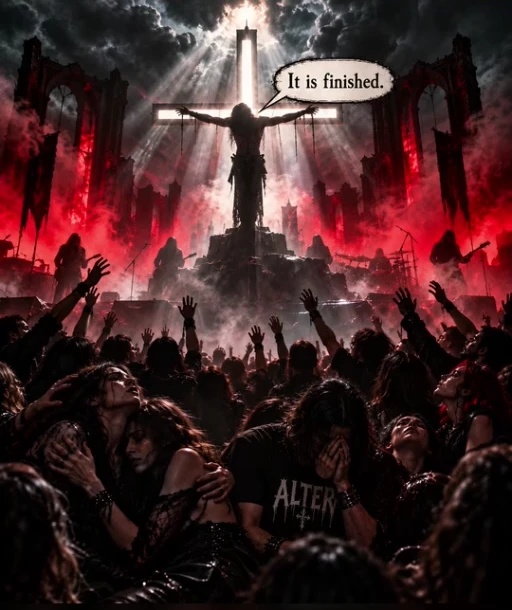
Human beings know they will die.
And that awareness creates one of the deepest existential tensions in existence.
Because if life is temporary, people naturally ask:
What truly matters?
Is love permanent?
Does suffering have meaning?
Is there anything beyond death?
How should we live while we are here?
Perhaps much of human history is really the story of people trying to answer those questions.
Humans Are Uniquely Aware of Mortality
Animals instinctively avoid danger.
But human beings possess something more psychologically complex:the ability to imagine the future and recognize their own eventual death.
This awareness creates existential anxiety.
There is room to bring a weary heart into this conversation. We can listen without making the pain sound smaller, and offer companionship without rushing toward an answer.
People seek:
meaning,
achievement,
legacy,
relationships,
spirituality,
and belonging
partly because these things help soften the fear of impermanence.
In simpler terms:humans long to believe their lives matter beyond temporary existence.
Most People Fear More Than Physical Death
Interestingly, people often fear more than simply dying physically.
They fear:
being forgotten,
losing loved ones,
meaninglessness,
isolation,
suffering,
regret,
and nonexistence.
The fear of death is deeply emotional because it touches identity itself.
Who am I?
Did my life matter?
Was I truly loved?
Did I waste my existence?
These questions become especially intense during:
grief,
illness,
aging,
trauma,
or major life transitions.
Mortality forces people to confront what truly matters beneath distraction and routine.
Modern Culture Often Avoids Death Entirely
Modern society spends enormous energy distracting itself from mortality.
Entertainment.
Busyness.
Technology.
Consumption.
Noise.
Constant stimulation.
There is room to bring a weary heart into this conversation. We can listen without making the pain sound smaller, and offer companionship without rushing toward an answer.
But suppressing mortality awareness does not eliminate it.
It usually resurfaces indirectly through:
anxiety,
compulsive achievement,
fear of aging,
obsession with image,
or existential emptiness.
The fear remains quietly underneath.
Religious responses to death
Across history, nearly every religion has wrestled with mortality.
Why?
Because death raises enormous existential questions:
Is there life after death?
Does consciousness continue?
Is there justice beyond this world?
Does love survive loss?
Religions offer different answers, but the longing beneath them remains universal:human beings desperately hope death is not the final word.
Christianity approaches death through resurrection and relationship.
Jesus said:
“I am the resurrection and the life.” (John 11:25)
That statement reframes death not merely as ending—but as transition.
Grief Reveals How Deeply We Love
One reason death feels so painful is because attachment matters profoundly to the human nervous system.
There is room to bring a weary heart into this conversation. We can listen without making the pain sound smaller, and offer companionship without rushing toward an answer.
When someone dies, people often feel:
fractured,
disoriented,
emotionally untethered,
or existentially shaken.
Grief hurts because love mattered.
If human beings were emotionally detached creatures, loss would not devastate us.
But love creates deep bonds.
And those bonds naturally resist endings.
Perhaps grief itself reveals how deeply the soul longs for eternity.
The Fear of Death Often Drives Achievement
Many people unconsciously try to escape mortality through:
success,
legacy,
influence,
wealth,
children,
art,
or accomplishment.
There is room to bring a weary heart into this conversation. We can listen without making the pain sound smaller, and offer companionship without rushing toward an answer.
There is nothing inherently wrong with legacy.
But achievement alone rarely removes existential fear fully.
People can become externally successful while still internally terrified of meaninglessness.
Because the deeper question remains:Does anything truly last?
Jesus Spoke About Life More Than Death
One fascinating aspect of Jesus’ teachings is that He often focused less on fear of death and more on fullness of life.
“I have come that they may have life, and have it to the full.” (John 10:10)
That shifts the conversation dramatically.
Instead of merely escaping death, Jesus invited people into:
meaning,
connection,
purpose,
love,
peace,
and relationship with God.
Eternal life in Christianity is not merely endless duration.
It begins as restored relationship and transformed living now.
Suffering Often Awakens Existential Questions
There is room to bring a weary heart into this conversation. We can listen without making the pain sound smaller, and offer companionship without rushing toward an answer.
Illness.
Trauma.
Loss.
Aging.
Death of loved ones.
Pain strips away illusions of control.
Suddenly temporary things feel fragile.
And deeper questions emerge:
What matters most?
What am I living for?
Is love stronger than death?
Is there hope beyond suffering?
The Psalms repeatedly wrestle honestly with these tensions.
Scripture does not avoid existential fear.
It enters into it honestly.
The Fear of Death Can Also Awaken Wisdom
Ironically, awareness of mortality can deepen life profoundly.
There is room to bring a weary heart into this conversation. We can listen without making the pain sound smaller, and offer companionship without rushing toward an answer.
more grateful,
more compassionate,
more present,
and more intentional
when reminded life is temporary.
Mortality clarifies priorities.
Petty things lose importance.
Love becomes more precious.
Moments become more sacred.
Psalm 90 says:
“Teach us to number our days, that we may gain a heart of wisdom.” (Psalm 90:12)
Awareness of death can awaken people to life itself.
The Resurrection Changes Christianity’s Entire Vision of Death
At the center of Christianity stands not merely moral teaching—but resurrection.
The claim that death does not ultimately win.
That love is stronger than the grave.
That existence is not meaningless temporary accident.
The resurrection became the early Christians’ radical declaration that:
suffering is not ultimate,
evil is not ultimate,
and death is not ultimate.
Whether one believes this literally or wrestles with it symbolically, its emotional and spiritual significance is enormous.
Hope stands at the center.
Perhaps the Search for Meaning Is Really the Search for Transcendence
Human beings do not merely want longer existence.
They want meaningful existence.
Love that lasts.
Purpose that survives suffering.
Connection stronger than death.
Perhaps this is why humanity keeps searching spiritually generation after generation.
Because the soul seems unable to accept meaninglessness fully.
Something inside us keeps reaching beyond temporary existence toward transcendence.
The Invitation Beyond Fear
Perhaps the fear of death is not merely about dying.
Perhaps it is about the longing to know our lives mattered.
That love mattered.
That we were truly seen.
Truly known.
Truly connected to something eternal.
Christianity claims that death is not the end of the story.
That love survives.
That resurrection exists.
That eternity is relational.
Others may wrestle with those claims honestly.
But nearly everyone shares the same deep human longing:
to believe that life is more than temporary survival…
and that love is stronger than the grave.
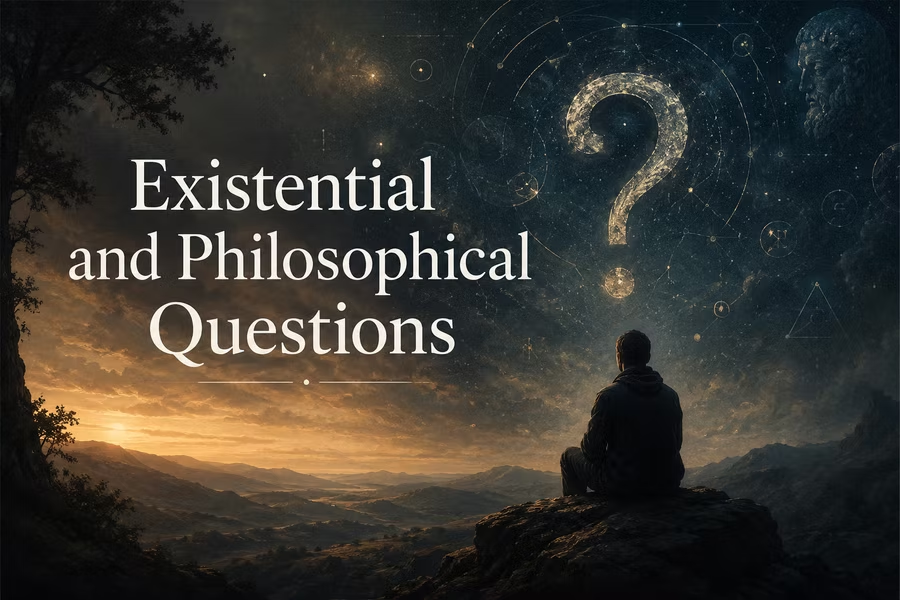
Explore the research, definitions, and limits behind the discussion →
May these questions lead us to read carefully, hold hope with humility, and offer grace to someone whose understanding—or grief—is different from our own.
Wisdom · Unity · Grace