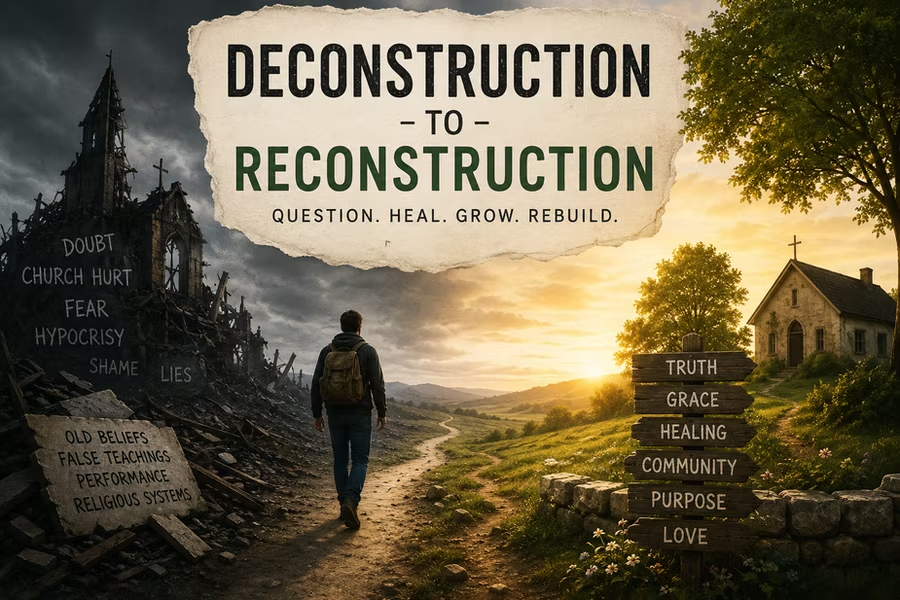
What Happens After You Tear Everything Down?
Chris Cahill · 5 min read · First published 2026-05-19
At first, deconstruction can feel liberating.
The pressure lifts.The performance cracks.The fear loosens.Questions finally have room to breathe.
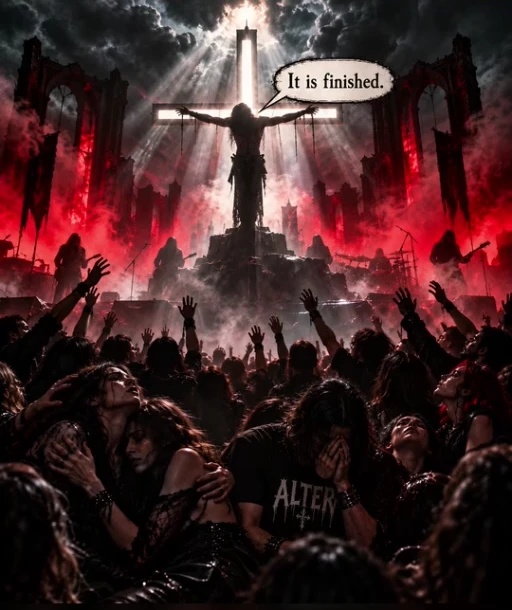
For many people, tearing old beliefs apart feels necessary—sometimes even healing. Structures that once seemed immovable begin collapsing under the weight of pain, contradiction, hypocrisy, trauma, or intellectual honesty.
And honestly, some things deserve to fall apart.
But eventually a quieter question emerges beneath the rubble:
Now what?
Because tearing everything down may feel powerful for a season.
But human beings were not designed to live forever in ruins.
Deconstruction Can Feel Like Awakening
Many people describe the beginning of deconstruction almost like waking up.
They suddenly notice:
contradictions they ignored,
unhealthy religious systems,
manipulative leadership,
shallow answers,
political tribalism,
emotional suppression,
or teachings rooted more in fear than love.
Bring the part of the story that is difficult to say. There can be room for responsibility and repair without making humiliation the price of being heard.
And in many ways, this can be profoundly healthy.
People begin thinking critically.Asking honest questions.Setting boundaries.Separating truth from performance.
The problem is not questioning unhealthy structures.
The deeper issue is what happens if destruction becomes the final destination.
The Soul Still Needs Meaning
After questioning old beliefs, some people also want something trustworthy to build upon.
Someone beginning again may look for:
meaning,
belonging,
hope,
identity,
and purpose
to thrive emotionally.
Viktor Frankl argued that humanity’s deepest drive is not pleasure or power—but meaning.
Without meaning, people often drift toward:
cynicism,
despair,
numbness,
outrage,
addiction,
or emotional fragmentation.
In other words:the soul eventually asks not merely,“What is false?”but also,“What is worth living for?”
Endless Deconstruction Can Become Its Own Prison
Ironically, some people become trapped in permanent deconstruction.
Every belief becomes suspicious.Every institution becomes corrupt.Every tradition becomes manipulation.Every form of certainty becomes oppression.
Eventually nothing remains sacred.
At first this may feel intellectually freeing.
But over time, endless skepticism often creates emotional exhaustion.
There is room to bring a weary heart into this conversation. We can listen without making the pain sound smaller, and offer companionship without rushing toward an answer.
We long to build.To belong.To love.To hope.
The problem with permanent demolition is that eventually it leaves the soul emotionally homeless.
Even Scripture Contains Patterns of Breaking and Rebuilding
One of the great themes throughout Scripture is that transformation often involves both dismantling and renewal.
Jacob wrestled before becoming Israel.The disciples lost certainty before resurrection.Paul’s worldview shattered before his conversion.Peter failed publicly before becoming a leader.
Even Jesus spoke repeatedly about death preceding new life:
“Unless a kernel of wheat falls to the ground and dies, it remains only a single seed.” (John 12:24)
That is not merely destruction.
It is transformation.
Something old dies so something deeper can emerge.
The Difference Between Cynicism and Wisdom
Cynicism often disguises itself as intelligence.
But cynicism assumes:nothing is trustworthy,nothing is sincere,and nothing sacred exists.
Wisdom is different.
Wisdom recognizes human brokenness while still remaining open to:
beauty,
truth,
compassion,
meaning,
and love.
The cynical person tears everything down and stops there.
The wise person rebuilds carefully.
This distinction matters deeply.
Because wounded people often confuse emotional self-protection with enlightenment.
But isolation rarely heals the soul.
What Reconstruction Actually Looks Like
Reconstruction does not mean pretending difficult questions disappeared.
It does not mean returning blindly to unhealthy systems.
And it certainly does not mean abandoning intellectual honesty.
Healthy reconstruction means rebuilding with:
humility,
emotional honesty,
wisdom,
compassion,
and deeper understanding than before.
It often involves separating:
God from institutional failures,
faith from fear,
truth from tribalism,
and spirituality from performance.
Reconstruction asks:What remains true after illusion collapses?
For many people, the answer becomes surprisingly simple:love,grace,meaning,connection,forgiveness,compassion,and the person of Christ Himself.
Why So Many People Feel Empty After Deconstruction
Many people assume tearing down harmful beliefs will automatically create peace.
Sometimes it does temporarily.
But eventually many discover something unexpected:removing meaning structures without replacing them creates emptiness.
The soul still asks:Who am I?Why am I here?What matters?What gives life meaning?What do I build my life around now?
Ecclesiastes describes this human ache powerfully:
“He has also set eternity in the human heart.” (Ecclesiastes 3:11)
Perhaps the longing for transcendence does not disappear simply because old systems collapse.
Perhaps it waits quietly beneath the rubble.
Jesus Often Rebuilt Rather Than Simply Destroyed
One of the most overlooked realities in the Gospels is that Jesus did not merely criticize broken religion.
He offered a different way.
He replaced fear with grace.Legalism with compassion.Exclusion with belonging.Performance with transformation.
He confronted hypocrisy fiercely—but welcomed wounded people gently.
“Come to me, all you who are weary and burdened.” (Matthew 11:28)
That invitation still matters.
Because many people today are exhausted not only from religion—but from endless deconstruction itself.
You Cannot Build an Identity Entirely Around What You Reject
This may be one of the most important lessons of all.
If identity becomes centered entirely around what we oppose, eventually bitterness consumes us.
Human beings need something beautiful enough to move toward—not merely enemies to move away from.
The Apostle Paul wrote:
“Whatever is true, whatever is noble, whatever is right, whatever is pure… think about such things.” (Philippians 4:8)
Notice the focus:not merely dismantling darkness,but rebuilding around what gives life.
Perhaps Faith Was Never Meant to Be Fragile
One surprising reality many people discover after reconstruction is that mature faith often becomes:
less arrogant,
less fearful,
less performative,
and more compassionate than before.
Not weaker.
Deeper.
Because faith surviving honest wrestling often becomes more resilient than faith built on shallow certainty.
It learns humility.Complexity.Empathy.Grace.
And perhaps most importantly, it learns that love matters more than winning arguments.
The Question Beneath the Rubble
Eventually every person must answer:What do I build my life around now?
Because after everything is torn down, something will eventually take its place.
The human soul cannot remain empty forever.
Some rebuild around outrage.Others around politics.Others around success, pleasure, identity, or endless distraction.
But perhaps the deeper invitation is rebuilding around truth, humility, compassion, wisdom, and love.
Perhaps reconstruction is not about recovering childish certainty.
Perhaps it is about discovering a faith mature enough to survive honesty.
And maybe after all the noise, all the collapse, all the questioning, and all the grief, the most sacred thing still standing beneath the rubble is this:
Love remains.
Explore the research, definitions, and limits behind the discussion →
Let the reflection meet the next person you speak with. May wisdom help us listen, unity keep us open to one another, and grace become visible in the care we give.
Wisdom · Unity · Grace