Why Church Hurt Feels So Deep
Chris Cahill · 5 min read · First published 2026-05-19
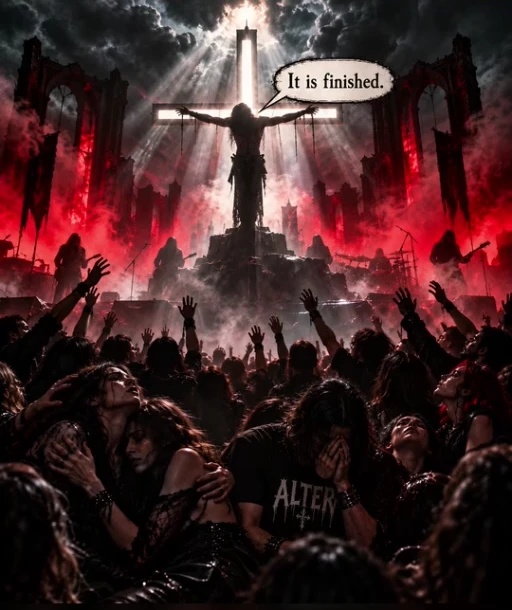
Not all wounds bleed openly.
Some wounds quietly reshape the way a person trusts, loves, worships, and even sees God.
Church hurt is one of those wounds.
And for people who have experienced it, the pain often feels confusingly deep. Sometimes deeper than ordinary disappointment. Deeper than conflict at work. Deeper than arguments with strangers.
Why?
Because spiritual communities do not merely occupy space in our schedules.
They occupy sacred space in our hearts.
When trust breaks there, it touches identity, belonging, meaning, and our understanding of God Himself.
Church Was Never Supposed to Feel Unsafe
At its best, church is meant to be a place of:
healing,
grace,
truth,
compassion,
belonging,
accountability,
and spiritual growth.
It is supposed to feel like refuge.
A place where burdens become lighter.Where people encounter love.Where struggling humans are reminded they are not alone.
Jesus described His invitation this way:
“Come to me, all you who are weary and burdened, and I will give you rest.” (Matthew 11:28)
That is what people long for spiritually:rest, hope, meaning, connection.
So when church instead becomes a source of shame, fear, manipulation, exclusion, or betrayal, the emotional impact cuts deeply.
Because something sacred feels violated.
Why Spiritual Pain Feels Different
If these words touch something you have lived through, take your time. Your story deserves a patient hearing, with care for your safety and room to seek trustworthy support.
Church often becomes intertwined with:
family,
morality,
purpose,
social belonging,
and eternal meaning.
That creates an unusually deep emotional bond.
Betrayal by a trusted leader or community can be deeply distressing. The person affected deserves a hearing that takes their experience seriously.
In simpler terms:the closer something is to your soul, the deeper it can wound you.
And because many people associate church with God Himself, spiritual hurt can distort not only trust in people—but trust in God.
Church Hurt Is Often About Betrayal
Many people do not leave churches because they suddenly stopped caring about faith.
They leave because trust broke.
A leader manipulated them.A community gossiped about them.Questions were shamed.Abuse was ignored.Pain was minimized.Hypocrisy became impossible to ignore.
Or perhaps the wound was quieter:
feeling unseen,
emotionally abandoned,
spiritually controlled,
or constantly judged.
Betrayal hurts most where vulnerability existed.
And churches often ask people to become deeply vulnerable.
To confess struggles.Share pain.Reveal fears.Trust leadership.Open their hearts.
When that trust is mishandled, the emotional consequences can linger for years.
Even Jesus Experienced Religious Betrayal
One of the most overlooked realities in the Gospels is that many of the deepest wounds Jesus experienced came from religious people.
He was misunderstood by religious leaders.Rejected by communities.Betrayed by one of His own disciples.Publicly condemned by people claiming spiritual authority.
And yet Jesus never stopped separating God from the failures of flawed human systems.
This matters deeply.
Because church communities can fail while God remains good.
Human beings can misuse religion while Christ still embodies love.
That distinction is difficult—but essential.
The Psychology of Spiritual Trauma
For some people, church hurt becomes more than disappointment.
It becomes trauma.
Trauma occurs when experiences overwhelm a person’s ability to emotionally process events safely. In spiritual environments, this can happen through:
chronic fear,
shame-based teaching,
authoritarian control,
public humiliation,
manipulation,
emotional abuse,
or environments where questioning is unsafe.
For some people, spiritual language, worship, church buildings, or prayer become reminders of painful experiences.
That is why some people physically tense up around religious conversations.
Their bodies remember what their minds are still trying to heal from.
And healing from spiritual wounds often takes longer because the injury affected both emotional trust and existential meaning.
Religious Performance Can Exhaust the Soul
Sometimes church hurt is not caused by dramatic betrayal.
Sometimes it comes from years of emotional exhaustion.
Trying constantly to appear:
strong,
holy,
joyful,
certain,
victorious,
and spiritually “together.”
Many people quietly carry depression, anxiety, grief, addiction struggles, doubts, loneliness, or burnout while feeling unable to speak honestly.
Why?
Because some church cultures unintentionally reward performance more than authenticity.
But Jesus consistently moved toward honest humanity.
The grieving.The doubting.The exhausted.The outcast.The broken.
“Blessed are the poor in spirit.” (Matthew 5:3)
Not the performers.Not the flawless.
The honest.
Forgiveness Does Not Mean Pretending the Hurt Was Small
One harmful misunderstanding inside some religious environments is the idea that forgiveness means instantly minimizing pain.
It does not.
Healing requires honesty.
The Psalms themselves are filled with lament, grief, anger, confusion, and emotional rawness.
“How long, Lord?” (Psalm 13:1)
Scripture makes space for emotional truth.
Forgiveness is not pretending abuse was acceptable.It is not ignoring boundaries.It is not allowing continued harm.
Forgiveness is part of healing—but wisdom and protection matter too.
Even Jesus sometimes walked away from unhealthy crowds and confrontational environments.
The Danger of Letting Hurt Become Bitterness
Of course, unresolved church hurt can harden into cynicism.
And cynicism can slowly convince people that:
all churches are fake,
all Christians are hypocrites,
all faith is manipulation,
and nothing sacred exists.
But wounded experiences do not always define ultimate truth.
Every human institution contains imperfection because every human being does.
That does not excuse harm.
But it does remind us that Christianity has always involved flawed people trying—sometimes poorly—to follow a perfect Christ.
The failure of people does not necessarily erase the beauty of the message.
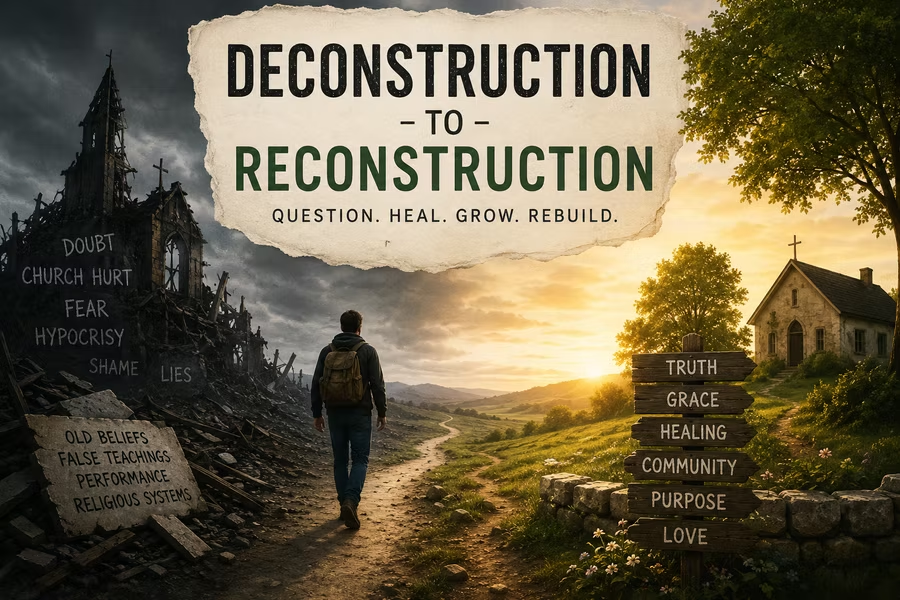
What Healing Often Looks Like
Healing from church hurt is rarely fast.
It often involves:
grieving honestly,
rebuilding trust slowly,
setting healthy boundaries,
processing trauma,
rediscovering identity,
and separating God from the failures of people.
For some, healing includes therapy.For others, quieter spiritual practices.For many, it involves learning that faith and institutional loyalty are not identical things.
And perhaps most importantly, healing often begins when people stop pretending they are not wounded.
Jesus asked many hurting people a surprisingly simple question:
“What do you want me to do for you?” (Mark 10:51)
That question honors pain instead of dismissing it.
Maybe God Is Still Present Beneath the Pain
If church hurt wounded you deeply, your pain is real.
You are not weak for struggling.You are not faithless for grieving.You are not broken for needing time to heal.
And perhaps the deepest tragedy is that many people assume God abandoned them when human beings failed them.
But maybe God was grieving with them all along.
Jesus wept.Jesus suffered betrayal.Jesus understood rejection.Jesus stood with the wounded, not merely the polished.
Perhaps healing begins not by pretending the hurt never happened, but by rediscovering the difference between Christ and the imperfect people still learning how to follow Him.
And maybe beyond the pain, beyond the disappointment, beyond the broken trust, love is still quietly waiting to rebuild what fear and failure damaged.
Explore the research, definitions, and limits behind the discussion →
Read a little further
There is room to keep seeking without pretending the hard parts have disappeared. May we offer one another wise companionship, patient grace, and a place to belong while the questions remain.
Wisdom · Unity · Grace