Why Doubt Can Actually Deepen Faith
Chris Cahill · 4 min read · First published 2026-05-19
Many people are taught to fear doubt.
To suppress it.
Hide it.
Pray it away.
Pretend it does not exist.
And for countless believers, doubt feels terrifying because they assume it means their faith is failing.
But what if doubt is not always the enemy of faith?
What if, sometimes, doubt is actually the beginning of deeper honesty, deeper humility, and deeper spiritual maturity?
Because unquestioned beliefs may feel stable for a season.
But faith that survives honest wrestling often becomes far more resilient than faith built merely on inherited certainty.
Doubt Is a Normal Human Experience
Human beings are finite.
We experience suffering.
Confusion.
Loss.
Contradiction.
Mystery.
And naturally, questions emerge.
Read slowly, with room for another person to hear these words differently. May what we learn draw us toward a more patient conversation and a life more attentive to love.
identity,
relationships,
morality,
meaning,
and spirituality.
This process is not abnormal.
It is human.
The problem is that many religious environments unintentionally frame doubt as moral failure instead of emotional honesty.
So people begin fearing their own questions rather than exploring them wisely.
The Bible Is Filled With Doubting People
One of the most surprising realities in Scripture is how often faithful people wrestled deeply.
Job questioned suffering.
David questioned God’s silence.
Jeremiah questioned injustice.
Thomas doubted the resurrection.
Even John the Baptist eventually asked:
“Are you the one who is to come, or should we expect someone else?” (Matthew 11:3)
And perhaps most profoundly, Jesus Himself cried from the cross:
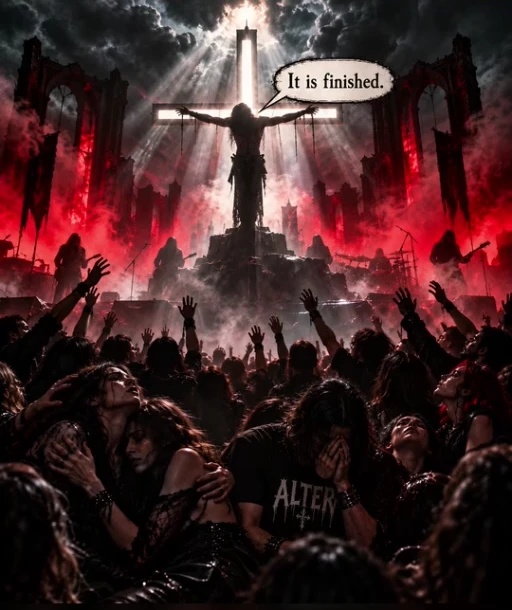
“My God, my God, why have you forsaken me?” (Matthew 27:46)
The Bible does not erase human struggle.
It records it honestly.
Faith in Scripture is rarely presented as simplistic certainty without wrestling.
It is trust developed in the middle of complexity.
Why People Fear Doubt So Deeply
For many people, doubt feels emotionally dangerous because beliefs are tied to:
identity,
belonging,
family,
community,
morality,
and eternal meaning.
Questioning beliefs can therefore feel psychologically destabilizing.
Uncertainty may bring anxiety, curiosity, or relief. We can listen for the person’s actual experience rather than assuming one response.
This means doubt is not merely intellectual.
It is emotional.
People often fear:
rejection,
shame,
loss of belonging,
or existential uncertainty.
Sometimes the deeper fear beneath doubt is:“What happens if I no longer know who I am?”
Shallow Certainty Often Breaks Easily
Ironically, faith built entirely on suppressing questions often becomes fragile.
Why?
Because reality eventually introduces complexity.
Suffering happens.
Hypocrisy appears.
Prayers go unanswered.
Contradictions emerge.
And if someone’s spirituality was built entirely on simplistic certainty, the entire structure may collapse under pressure.
This is one reason many people experience crisis after years of pretending certainty they never genuinely possessed.
Suppressed questions rarely disappear.
They usually grow quietly underneath the surface.
Doubt Can Expose False Foundations
Sometimes doubt is destructive.
But sometimes doubt reveals that unhealthy beliefs were holding faith together in the first place.
Fear-based religion.
Manipulation.
Shallow answers.
Performative spirituality.
Black-and-white thinking.
Spiritual arrogance.
When these things collapse, people often assume faith itself is collapsing too.
But perhaps the problem was never God.
Perhaps the problem was what people built around Him.
Jesus Himself repeatedly dismantled unhealthy religious assumptions before rebuilding people around grace, truth, humility, and love.
Psychologically, Wrestling Often Produces Growth
Read slowly, with room for another person to hear these words differently. May what we learn draw us toward a more patient conversation and a life more attentive to love.
Children naturally prefer absolute certainty.
Mature adults gradually learn:
ambiguity exists,
people are complicated,
suffering is real,
and easy answers are often incomplete.
Spiritually, healthy doubt can create:
humility,
curiosity,
empathy,
emotional honesty,
and deeper wisdom.
Not because truth stops mattering.
But because people stop pretending reality is simple.
Jesus Never Seemed Threatened by Honest Questions
One remarkable pattern in the Gospels is how patient Jesus often was with sincere seekers.
Thomas doubted.
The disciples misunderstood repeatedly.
People questioned Him constantly.
Yet Jesus rarely responded to honest wrestling with humiliation.
When Thomas doubted the resurrection, Jesus said:
“Put your finger here; see my hands.” (John 20:27)
That response matters deeply.
Because it reveals a God seemingly far less threatened by honest questioning than many religious systems are.
Truth does not fear examination.
Love does not fear honesty.
The Difference Between Doubt and Cynicism
Doubt and cynicism are not the same thing.
Doubt still seeks truth.
Cynicism assumes truth is impossible or meaningless.
Doubt asks questions because it still hopes understanding exists.
Cynicism stops searching entirely.
Healthy doubt can actually protect people from blind arrogance, manipulation, and shallow certainty.
It keeps the soul open.
Curious.
Teachable.
The danger is not questioning.
The danger is allowing pain or fear to harden into hopelessness.
Faith Is Not the Same Thing as Certainty
This may be one of the most important distinctions of all.
Many people confuse faith with never having questions.
But biblical faith often looks more like trust in the middle of uncertainty.
The Apostle Paul wrote:
“For now we see only a reflection as in a mirror.” (1 Corinthians 13:12)
That is humble spirituality.
Not arrogant certainty.
Perhaps mature faith does not eliminate mystery.
Perhaps it learns how to live honestly within it.
Doubt Often Produces Greater Compassion
People who wrestle deeply with faith often become less judgmental afterward.
Why?
Because uncertainty softens arrogance.
People become more aware of:
human limitation,
suffering,
emotional complexity,
and the dangers of self-righteousness.
Instead of needing to appear spiritually superior, they often become more compassionate toward others struggling too.
Broken certainty sometimes creates deeper empathy than rigid confidence ever could.
God Is Not Fragile
Many people secretly fear their questions might somehow drive God away.
But if truth is real, it should survive examination.
And if God is truly infinite, perhaps He is not threatened by human wrestling.
Children ask questions naturally.
Honest relationships require honesty.
Perhaps authentic spirituality does too.
The Psalms themselves are filled with:
lament,
confusion,
anger,
grief,
and longing.
Scripture repeatedly makes room for emotional honesty rather than demanding emotional suppression.
The Invitation Beyond Fear of Doubt
Maybe doubt is not proof you are losing faith.
Maybe it is proof your faith is becoming more honest.
Perhaps spiritual maturity is not pretending certainty about everything.
Perhaps it is learning to seek truth courageously while remaining grounded in humility, compassion, and love.
Not shallow certainty.
Not fear-driven performance.
Honest trust.
The kind willing to wrestle.
Willing to question.
Willing to grow.
And maybe faith that survives doubt becomes stronger precisely because it stopped pretending and finally became real.
Explore the research, definitions, and limits behind the discussion →
There is room to keep seeking without pretending the hard parts have disappeared. May we offer one another wise companionship, patient grace, and a place to belong while the questions remain.
Wisdom · Unity · Grace