Why Jesus Was So Dangerous to Religious Systems
Chris Cahill · 4 min read · First published 2026-05-19
Jesus was not dangerous because He preached violence.
He did not lead armies.
He did not seize political power.
He did not overthrow Rome militarily.
And yet religious leaders still saw Him as deeply threatening.
Why?
Because Jesus threatened something more powerful than politics.
He threatened control.
He threatened systems built on fear, hierarchy, image, and religious certainty.
Not because religion itself was evil.
But because systems often become protective of themselves—even when they slowly drift away from compassion, humility, and the heart of God.
And Jesus exposed that drift constantly.
Systems Naturally Protect Themselves
Read slowly, with room for another person to hear these words differently. May what we learn draw us toward a more patient conversation and a life more attentive to love.
Every system wants:
stability,
predictability,
authority,
and continuity.
Religious systems are no different.
Over time, organizations often become deeply invested in:
maintaining structure,
protecting reputation,
preserving authority,
and controlling narratives.
This is not always malicious.
It is deeply human.
But when protecting the system becomes more important than loving people, something dangerous begins happening spiritually.
Jesus Prioritized People Over Religious Structures
Again and again, Jesus disrupted systems by prioritizing people.
He healed on the Sabbath.
Touched the unclean.
Spoke with outsiders.
Forgave sinners publicly.
Questioned religious hypocrisy.
Welcomed those considered spiritually unacceptable.
And every time He did this, He challenged the assumption that religious systems mattered more than human beings.
“The Sabbath was made for man, not man for the Sabbath.” (Mark 2:27)
That statement threatened an entire way of thinking.
Because Jesus was revealing that rules were meant to serve life—not crush it.
Grace Threatens Systems Built on Performance
Performance-based systems depend on hierarchy.
Who is righteous.
Who is pure.
Who belongs.
Who qualifies.
Who measures up.
But grace disrupts those categories completely.
Grace says:love comes before worthiness.
That idea is revolutionary.
Especially to systems built heavily around:
status,
moral superiority,
religious performance,
or spiritual image.
This is one reason religious leaders became so uncomfortable around Jesus.
He kept extending compassion toward people the system rejected.
Tax collectors.
Prostitutes.
Outcasts.
The ashamed.
The spiritually unqualified.
And people loved Him for it.
Fear-Based Religion Loses Power Around Love
Fear is one of the strongest tools of control.
Fear of punishment.
Fear of exclusion.
Fear of shame.
Fear of being spiritually rejected.
Fear-based systems often create compliance because anxious people become easier to manage psychologically.
But Jesus repeatedly moved people away from fear and toward trust.
“Do not be afraid.”
That phrase appears throughout Scripture constantly.
And when people begin experiencing love instead of fear, systems rooted in control start losing emotional power.
“Perfect love drives out fear.” (1 John 4:18)
That verse is deeply threatening to fear-based spirituality.
Because fear and freedom cannot fully coexist.
Jesus Exposed Hypocrisy Publicly
One reason Jesus became so dangerous was because He exposed contradictions openly.
He challenged:
performative holiness,
exploitation,
religious pride,
and spiritual manipulation.
“You clean the outside of the cup and dish, but inside…” (Matthew 23:25)
That was not a private correction.
It was public confrontation.
And systems built heavily around image often react defensively when hypocrisy becomes visible.
A person’s longing for faith and belonging deserves tenderness. Let the conversation make room for the story they actually carry, with patience for what remains unfinished.
Jesus threatened that image directly.
Religious Pride Is Hard to Recognize
Perhaps the most dangerous form of pride is spiritual pride.
Because it disguises itself as righteousness.
People begin believing:
their certainty equals holiness,
their system equals truth,
and disagreement equals rebellion.
The frightening reality is that the people opposing Jesus believed they were protecting God.
That should humble every religious person deeply.
Because self-righteousness rarely feels arrogant internally.
It feels faithful.
Jesus repeatedly warned against this kind of spiritual blindness.
“Woe to you… hypocrites.” (Matthew 23:27)
Not because truth did not matter.
But because truth without humility becomes dangerous.
Jesus Made God Feel Accessible
Religious systems often create layers between people and God:
rules,
rituals,
hierarchy,
gatekeepers,
spiritual status,
and institutional dependence.
But Jesus consistently moved toward direct relationship.
He welcomed ordinary people.
Children.
Fishermen.
Outcasts.
The poor.
The grieving.
The uneducated.
This threatened systems dependent on exclusivity and control.
Because suddenly people realized:God might be nearer than they were taught.
The temple curtain tearing at Jesus’ death symbolized something profound:access.
Jesus Was Dangerous Because He Could Not Be Controlled
Systems prefer predictability.
Jesus remained deeply unpredictable.
He challenged expectations constantly.
He disrupted categories.
He refused to align perfectly with political or religious factions.
He spoke with authority outside institutional approval.
This terrified leaders.
Because uncontrollable truth always threatens rigid systems.
Especially systems more concerned with preserving power than pursuing transformation.
People Are Still Threatened by Radical Compassion
The teachings of Jesus remain disruptive today for the same reasons they were disruptive then.
Because radical compassion threatens:
superiority,
tribalism,
fear,
exclusion,
and performative righteousness.
Loving enemies is disruptive.
Forgiving failures is disruptive.
Valuing mercy over image is disruptive.
Welcoming outsiders is disruptive.
Grace threatens every system built upon earning worthiness.
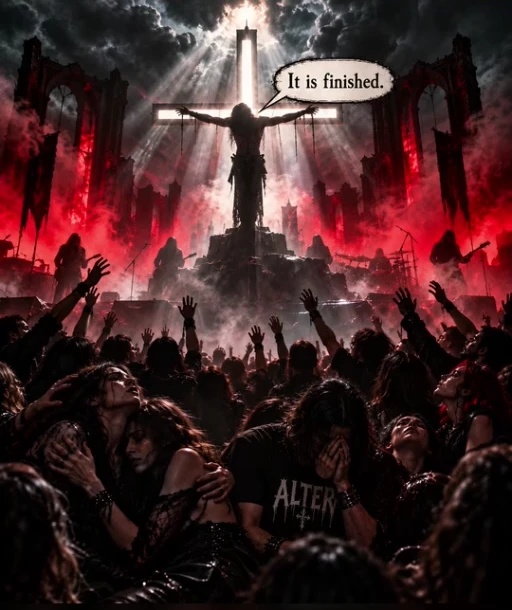
The Cross Reveals the Collision Between Love and Control
At its deepest level, the crucifixion reveals a collision between:
love,
and control.
Jesus embodied:
humility,
compassion,
grace,
truth,
and sacrificial love.
The system responded with fear, self-protection, and violence.
This pattern still exists today.
Whenever systems prioritize:
image over honesty,
power over compassion,
or certainty over humility,
they drift away from the spirit of Christ.
The cross exposes that danger forever.
Jesus Never Seemed Interested in Building Ego
One striking quality about Jesus is how little He seemed interested in status or domination.
He washed feet.
Served others.
Moved toward the broken.
And taught:
“Whoever wants to become great among you must be your servant.” (Matthew 20:26)
That completely reverses human power structures.
Because ego seeks control.
Love seeks service.
And systems built around ego naturally feel threatened by humility.
The Invitation Beyond Control
Perhaps Jesus was dangerous to religious systems because love always threatens fear-based control.
Grace threatens superiority.
Mercy threatens performance.
Truth threatens hypocrisy.
And humility threatens pride.
The question is not whether religion itself is bad.
The deeper question is whether our spirituality is making us more like Christ.
More compassionate.
More humble.
More honest.
More courageous.
More loving.
Because maybe the greatest danger is not losing religion.
Maybe the greatest danger is keeping religion while losing the heart of Jesus entirely.

Explore the research, definitions, and limits behind the discussion →
There is room to keep seeking without pretending the hard parts have disappeared. May we offer one another wise companionship, patient grace, and a place to belong while the questions remain.
Wisdom · Unity · Grace