Why People Leave the Church but Still Long for God
Chris Cahill · 5 min read · First published 2026-05-19
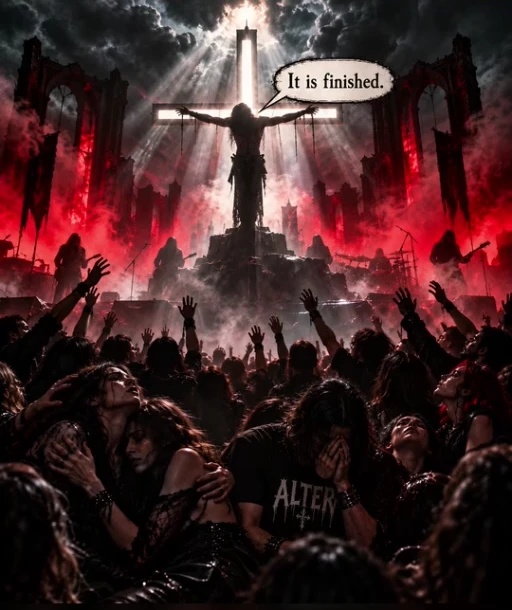
Leaving church is not always the same thing as leaving God.
For many people, the deepest confusion begins there.
They walk away from institutions, services, denominations, or religious cultures—and yet something inside them still aches for transcendence, meaning, beauty, connection, and the possibility that something sacred exists beyond themselves.
They stop attending church but still pray sometimes.Still feel moved by compassion.Still wrestle with purpose.Still long for peace.Still feel drawn toward Jesus in ways they cannot fully explain.
And often they quietly wonder:“What does that mean?”
Perhaps it means the human longing for God runs deeper than religious systems alone.
Many People Leave Because They Were Hurt, Not Because They Stopped Caring
One of the biggest misconceptions about people leaving church is the assumption that they simply wanted to sin, rebel, or reject spirituality altogether.
While every story is different, many people leave for far more complicated reasons:
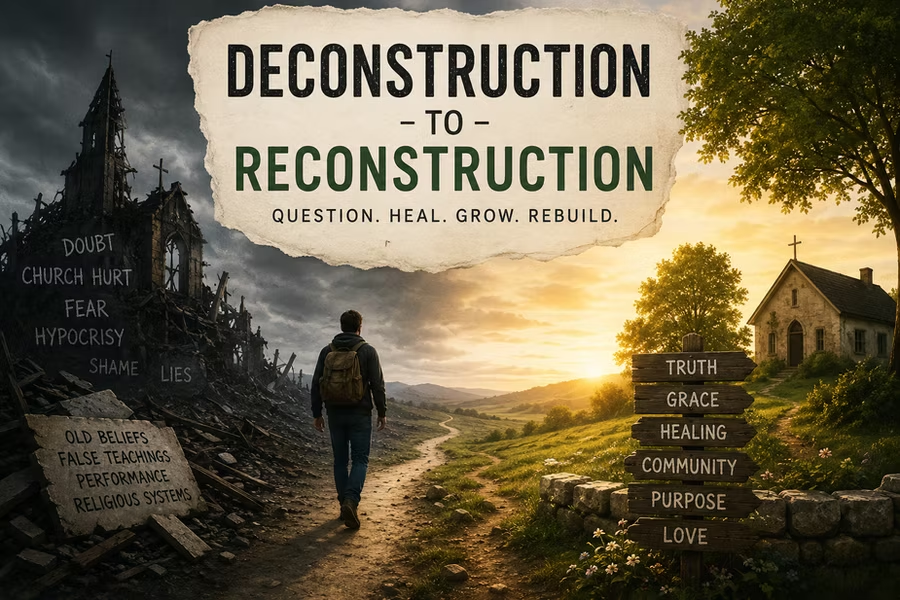
church hurt,
hypocrisy,
spiritual abuse,
intellectual frustration,
political tribalism,
emotional exhaustion,
unanswered questions,
or feeling unseen and unsafe inside religious environments.
For some, leaving church was not an act of rebellion.
It was an act of survival.
Bring the part of the story that is difficult to say. There can be room for responsibility and repair without making humiliation the price of being heard.
That does not automatically erase spiritual longing.
It simply complicates how people relate to religious institutions.
The Soul Still Longs for Meaning
Even after leaving church, many people discover something surprising:the longing remains.
The longing for:
purpose,
hope,
forgiveness,
beauty,
transcendence,
love,
belonging,
and meaning.
Psychologist Viktor Frankl famously argued that humanity’s deepest need is meaning. Human beings are not merely biological creatures seeking pleasure or survival. We search constantly for significance.
Ecclesiastes describes this beautifully:
“He has also set eternity in the human heart.” (Ecclesiastes 3:11)
That longing often survives even when religious certainty collapses.
Because perhaps the longing itself is part of what makes us human.
Church and God Are Not Always Experienced the Same Way
For many people, church became the primary lens through which they experienced God.
So when church relationships became painful, disappointing, or spiritually exhausting, faith itself became tangled in that pain.
But institutions and God are not identical things.
Churches are made of human beings.And human beings are imperfect.
They carry:
ego,
fear,
insecurity,
blind spots,
politics,
pride,
and emotional wounds.
That does not make church worthless.
But it does mean people can encounter dysfunction inside religious systems while still deeply longing for the sacred.
Jesus Himself often confronted religious environments that prioritized performance over compassion.
“These people honor me with their lips, but their hearts are far from me.” (Matthew 15:8)
That tension still exists today.
Many People Miss Jesus More Than Religion
One of the most interesting patterns among people who leave church is that many still feel deeply drawn toward the person of Jesus.
Not necessarily institutional Christianity.Not culture wars.Not performative religion.
Jesus.
The One who:
welcomed outsiders,
touched lepers,
defended the vulnerable,
forgave enemies,
challenged hypocrisy,
and embodied radical compassion without losing truth.
Even many nonreligious people continue expressing admiration for Jesus’ teachings about love, forgiveness, humility, mercy, and human dignity.
Why?
Because authentic love still resonates deeply with the human soul.
“By this everyone will know that you are my disciples, if you love one another.” (John 13:35)
Perhaps many people are not rejecting Christ nearly as much as they are rejecting distorted versions of Him.
Modern Culture Creates Spiritual Isolation
Ironically, modern society is more connected digitally and yet more emotionally disconnected than ever before.
People may come to this conversation carrying:
loneliness,
anxiety,
depression,
distrust,
and existential emptiness.
Many people have lost confidence in institutions generally—not just churches.
Politics disappoint.Media divides.Social media exhausts.Communities fragment.
And beneath all of it, many quietly carry a spiritual ache they cannot fully explain.
Some try filling it with:
achievement,
entertainment,
relationships,
outrage,
consumption,
or endless distraction.
But the ache often returns.
Because perhaps the soul longs for something deeper than stimulation.
Leaving Certainty Sometimes Creates Space for Honesty
For some people, leaving church creates room to ask questions they never felt safe enough to ask before.
Questions about:
suffering,
theology,
science,
trauma,
identity,
Scripture,
mental health,
and the meaning of life itself.
Not because they hate truth.
But because they want something more honest than performance-driven certainty.
And perhaps that honesty matters spiritually.
The Psalms themselves are filled with questioning, lament, grief, and emotional rawness:
“How long, Lord?” (Psalm 13:1)
Scripture does not erase human struggle.
It gives language to it.
Spiritual Longing Is Often Quiet
Not everyone longing for God looks traditionally religious.
Sometimes spiritual longing appears as:
fascination with beauty,
deep emotional reactions to music,
longing for justice,
compassion for suffering,
awe in nature,
hunger for meaning,
or quiet moments of prayer nobody else sees.
Perhaps the sacred still whispers through ordinary human experiences.
The Apostle Paul once said:
“He is not far from any one of us.” (Acts 17:27)
That verse carries profound hope.
Because it suggests God may still be present even in seasons of confusion, wandering, or spiritual distance.
Some People Leave Toxic Religion to Find Healthier Faith
Ironically, leaving unhealthy religious environments sometimes becomes the first step toward healthier spirituality.
Some people eventually rediscover:
grace instead of fear,
humility instead of arrogance,
curiosity instead of suppression,
compassion instead of tribalism,
and Christ instead of performance.
Not everyone who leaves church abandons faith.
Sometimes they are searching for a version capable of surviving honesty, complexity, and real life.
A faith centered less on appearances and more on transformation.
The Longing Itself May Matter More Than You Think
If you still long for God even after disappointment, confusion, or distance from church, that longing may not be meaningless.
Perhaps the ache itself reveals something sacred.
Not proof of perfect theology.Not proof of certainty.
But evidence that the human heart still searches for transcendence, love, meaning, and connection beyond itself.
Augustine famously wrote:
“Our hearts are restless until they rest in You.”
That restlessness still echoes through countless lives today.
Maybe the Story Is Not Over
If church hurt you, disappointed you, exhausted you, or left you questioning everything, your experience is real.
But perhaps leaving a flawed institution does not automatically mean abandoning the possibility of God.
Maybe the longing still alive inside you matters.
Maybe grace still exists beneath the disappointment.Maybe Christ is still larger than the systems built around Him.Maybe faith can survive honesty.Maybe love is still stronger than fear.
And maybe the soul keeps searching because somewhere deep inside, it still believes home might exist after all.
Explore the research, definitions, and limits behind the discussion →
Let the reflection meet the next person you speak with. May wisdom help us listen, unity keep us open to one another, and grace become visible in the care we give.
Wisdom · Unity · Grace