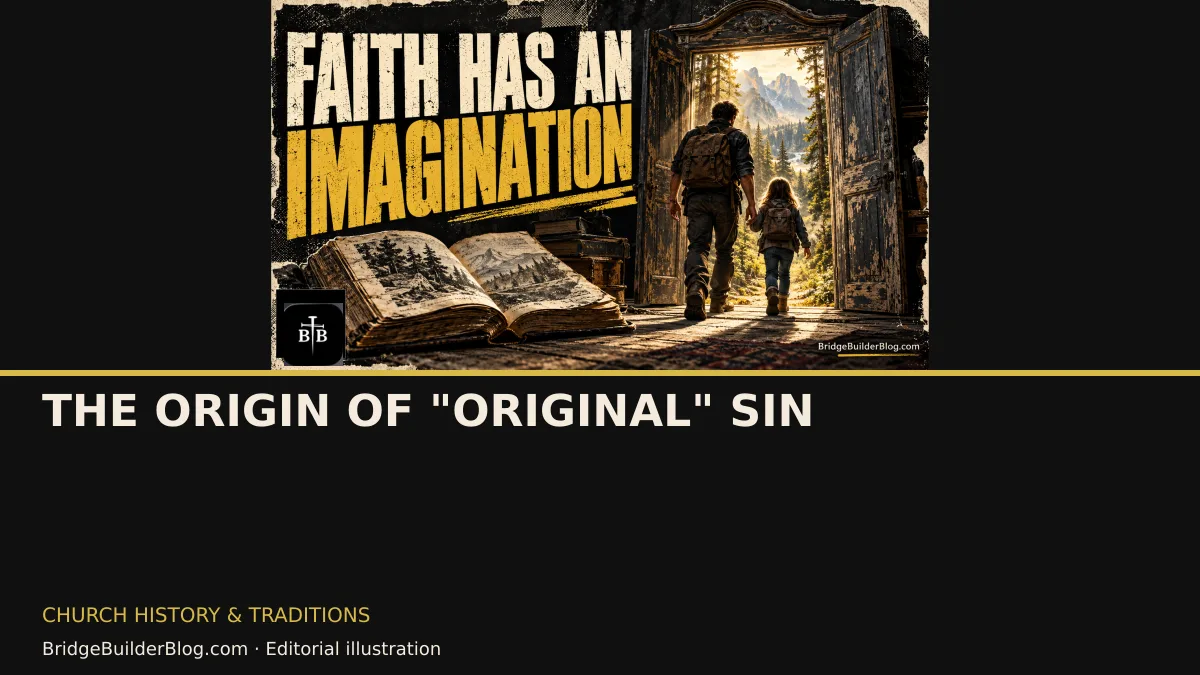
The Origin of "Original" Sin
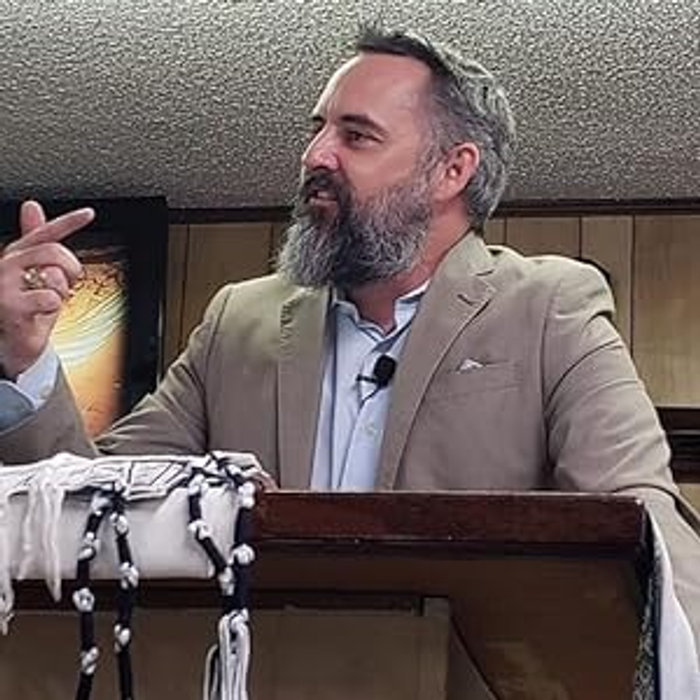
By Pastor Chris Cahill · 3 minute read · First published 2024-05-01
Original sin is familiar language with a history behind it. Examine the doctrine's development and Christian readings before assuming we all mean the same thing by the phrase.
A shared problem—and a long argument about it
Original sin is a way Christians have described humanity’s shared fallen condition and need for grace in relation to Adam and Eve. The idea has shaped centuries of theology, but Christians have not all explained inheritance, guilt, freedom, and responsibility in the same way. Let’s keep those differences visible.
The Christian concept of original sin is rooted in the biblical narrative of the creation of the first man and woman, Adam and Eve. According to the Book of Genesis, God created Adam and Eve and placed them in the Garden of Eden, where they were given the freedom to eat from any tree except the tree of the knowledge of good and evil. However, Eve was tempted by the serpent to eat from the forbidden tree, and she then persuaded Adam to do the same. This act of disobedience, known as the Fall, resulted in the introduction of sin into the world and the expulsion of Adam and Eve from the garden.
The consequences of the Fall, as outlined in the Bible, include the introduction of suffering, death, and separation from God. The Apostle Paul writes in his letter to the Romans, "Therefore, just as sin entered the world through one man, and death through sin, and in this way death came to all people, because all sinned" (Romans 5:12). This passage is often cited as evidence of the doctrine of original sin, as it teaches that all humanity is affected by the sin of Adam and Eve.
The formulation of the doctrine of original sin can be traced back to the early church fathers, such as Augustine of Hippo. Augustine, a prominent theologian in the 4th and 5th centuries, developed a comprehensive theology of sin and redemption that emphasized the universality of sin and the need for divine grace. Augustine's teachings on original sin were influenced by his own personal struggles with sin and his interpretation of biblical passages such as Romans 5:12.
Augustine was influential, not the beginning of every question
Reflection on Adam’s disobedience and its consequences predates Augustine. Irenaeus, for example, connected humanity’s condition in Adam with Christ’s work of restoration. Augustine later developed an especially influential account of inherited sin in the Latin West. Earlier writers also emphasized human freedom and responsibility, but that does not mean they were silent about humanity’s shared fallen condition.
Throughout history, there have been opponents to the doctrine of original sin. Pelagius, a British monk in the 4th and 5th centuries, argued against the concept of original sin and emphasized the ability of humans to choose good over evil through their own free will. Pelagius's teachings were ultimately condemned as heretical by church councils, leading to the reaffirmation of the doctrine of original sin in Christian orthodoxy.
On the other hand, there have been proponents of the doctrine of original sin throughout church history. Augustine's teachings on original sin have continued to influence theological thought in the Western church, shaping concepts of sin, grace, and redemption. The Protestant Reformers, such as Martin Luther and John Calvin, also emphasized the doctrine of original sin in their teachings on the fallen nature of humanity and the need for salvation through faith in Christ.
The doctrine of original sin continues to have a significant impact on modern Christianity, shaping beliefs about human nature, sin, and salvation. While there may be differing interpretations of the doctrine among Christian traditions, the concept of original sin remains a central aspect of Christian theology and understanding of humanity's relationship with God.
Discuss the doctrine without losing the person
How we describe sin affects how we speak about human beings. Take the history seriously, distinguish the traditions fairly, and do not turn a doctrine of our need for grace into permission to shame a neighbor.
Faith, hope, and love in action through Christ and kindness. Raise a Hand. Build a Bridge. Find a local ministry and put what you believe into practice.
Read a little further
Faith, hope, and love in action through Christ and kindness.