
Why Leaving Church Can Feel Like Grief
By Pastor Chris Cahill · 3 minute read · First published 2026-05-19
Leaving a church can feel like losing a home while the building is still standing. Friends, routines, memories, and a whole picture of God may be tangled together. Before we tell somebody to move on, we ought to understand what they have lost.
Grief Is Not Limited to Death
We grieve more than death. A church departure can mean losing friendships, trusted leaders, shared beliefs, and somewhere to belong at once. Even leaving an unhealthy setting can hurt. Knowing we needed to leave does not cancel what we loved.
Church Often Shapes Identity Deeply
For those raised in church, faith community can shape identity from childhood. Leaving may unsettle our sense of purpose as well as our Sunday plans. When a group claims exclusive spiritual safety, that step can feel especially frightening.
This is especially true when communities teach:“Outside this group, you are spiritually unsafe.”
Leaving Can Trigger Shame and Fear
Some people fear disappointing God or betraying family simply by stepping away. We need to distinguish loyalty to Christ from loyalty to an institution. Protecting honesty, well-being, and spiritual integrity deserves a fair hearing, not an automatic charge of rebellion.
People Often Grieve the Church They Hoped Existed
Sometimes we mourn the church we hoped would exist: loving, honest, safe, and welcoming. Repeated hypocrisy, exclusion, manipulation, or abuse can break that hope. The grief is real even when the hoped-for community never fully arrived.
When religious pain stays with us
Anxiety, numbness, guilt, or fear around spiritual topics deserves patient attention. We cannot diagnose somebody from their church history. We can listen, take their experience seriously, and stop treating difficulty returning as proof of weak faith.
Loneliness Often Follows Deconstruction
Losing community can leave a very quiet week behind. That loneliness helps explain why leaving may be difficult even when staying hurts. Offer steady companionship without making attendance the price of friendship. A meal and a listening ear beat a guilt-powered invitation.
Jesus Also Experienced Rejection and Betrayal
Christian faith presents Jesus as familiar with betrayal, rejection, and suffering. Isaiah’s words belong in that conversation, not as a shortcut past grief but as a reminder that pain does not place us beyond God’s care.
“He was despised and rejected by mankind.” (Isaiah 53:3)
Leaving Church Does Not Automatically Mean Leaving God
Some leave church because their beliefs have changed. Others leave while trying to preserve or rebuild faith. Still others need distance to recover. Ask which story someone is living instead of assigning them one from the parking lot.
Grief Often Includes Anger
Anger, sadness, confusion, and betrayal can belong to grief. The Psalms give us language for lament rather than demanding cheerful performance. We can take responsibility for what we do with anger without pretending we do not feel it.
Healing Usually Happens Slowly
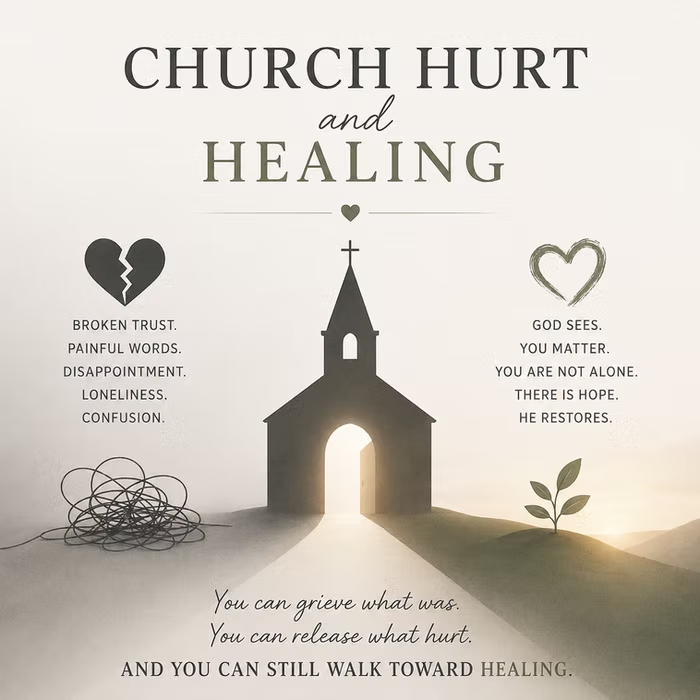
Rebuilding trust may involve boundaries, supportive relationships, reflection, counseling, and time. There is no spiritual stopwatch for this work. Returning to community should not mean surrendering discernment or walking back into harm to keep others comfortable.
And forcing people to “just move on” often deepens wounds rather than resolving them.
Healthy Faith Makes Space for Grief
Jesus makes room for mourners. We should too. Let a grieving person speak without rushing to explain, correct, or recruit them. Comfort becomes credible when we stay present after the easy words run out.
“Blessed are those who mourn, for they will be comforted.” (Matthew 5:4)
The Invitation Beyond Loss
Name one thing you lost and one kind of support you need now. If you are walking beside someone, ask rather than assume. We can seek truth without control and community without manipulation, one honest conversation at a time.
Explore the research, definitions, and limits behind the discussion →
Faith, hope, and love in action through Christ and kindness.
Read a little further
Faith, hope, and love in action through Christ and kindness.






