When Faith Becomes a Loyalty Test
When did asking for an explanation become evidence of disloyalty? Examine the line between sharing a faith and making people prove they deserve to belong.
By Pastor Chris Cahill · 2 minute read · Reflection
The question you edit before asking
You start a question, remember what happened last time, and edit it before anyone hears. Agreement fills the room while your real concern sits alone. That is worth examining, not brushing aside.
Shared faith gives us a place to begin an honest conversation. We can learn to hear a concern without treating it as a threat to the whole community.
Disagreement and disloyalty are different
A church can explain its beliefs, question an interpretation, ask for evidence, and clarify membership. Those things are not automatically controlling. Honest conversation also leaves room for us to discover that our preferred answer is wrong.
A loyalty test appears when the question itself becomes evidence against the person. Motives are presumed, belonging becomes leverage, and an explanation is replaced by pressure to comply. That pattern deserves attention even when the people using it sincerely believe they are protecting something valuable.
Name what actually happened
Rather than begin with a sweeping verdict on the entire community, describe an actual interaction. What did you ask? What response did you receive? Were you offered an explanation, or warned about consequences for continuing? Could you disagree without being misrepresented?
Specific details help us separate a painful disagreement from a pattern of control. They also expose our part. Perhaps we asked with contempt. Perhaps someone was defensive once and later made amends. Fairness notices repair as carefully as harm.
Belonging that can survive honesty
A healthier conversation may begin with a modest request: I want to understand this, and I need room to say what I do not understand yet. The response tells us something about the relationship's capacity for truth.
We do not owe agreement we do not hold. We also do not need a dramatic rebellion to prove our freedom. A quieter reconstruction can still be brave, thoughtful work.
Meet an honest question with patience, including one you would rather not answer. Let belonging help us become more truthful, teachable, and willing to love each other through disagreement.
From the book
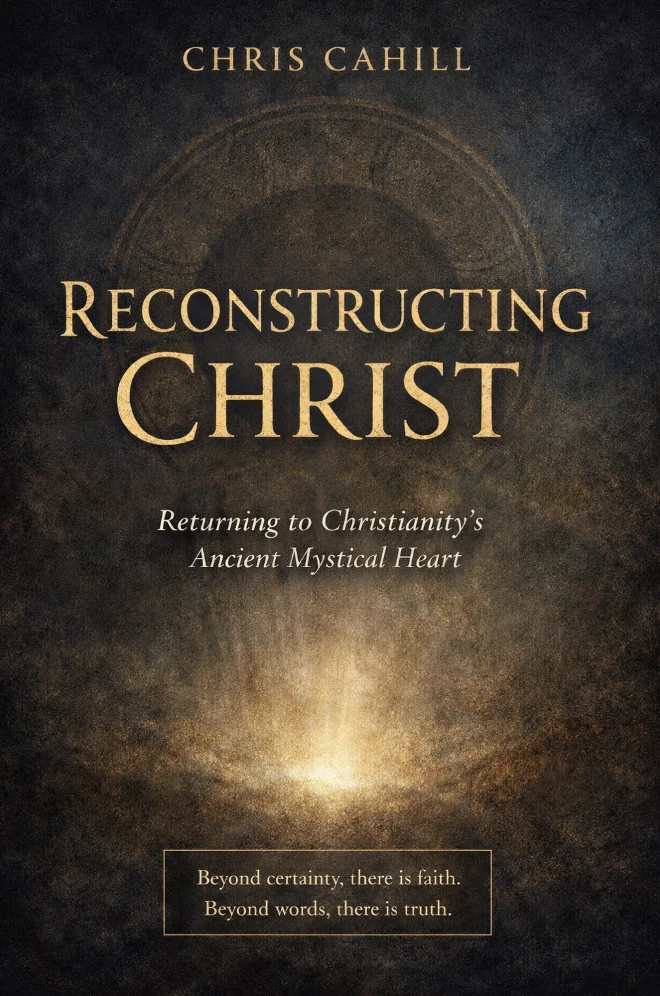
Reconstructing Christ — Chapter 8: Why This Feels Foreign. Adapted and expanded for this web reflection.
Faith, hope, and love in action through Christ and kindness.