Emmaus: Learning to Notice After Disappointment
Disappointed faith finds a companion on the road before it recognizes where the story is going.
Chris Cahill · 2 min read · Reflection
A road for people who had hoped
The friends walking toward Emmaus in Luke 24 are carrying a broken hope. They keep talking, trying to understand what has happened. Jesus joins them before they recognize him.
There is tenderness in staying with that scene: weary people, an unfinished conversation, a companion on the road, and bread shared as evening comes.
Recognition is different from manufacturing presence
Prayer can help us attend to what was already there. It does not summon a reluctant God into a room that our performance has finally made acceptable. On the Emmaus road, recognition comes after companionship, conversation, and the breaking of bread.
That does not mean every painful experience has an easy hidden explanation. A person who is grieving should not be pressured to identify a blessing on command. We can remain open to presence while admitting that a loss is real, painful, and unresolved.
Ordinary hospitality matters
The travelers invite their companion to stay. The narrative moves from a road into a meal. In that ordinary act of hospitality, something becomes recognizable that argument alone had not made clear.
We cannot reproduce the scene as a technique guaranteed to produce revelation. But we can receive its invitation: slow down enough to welcome, listen, and share. A conversation over a simple meal may give someone room to name what they could not say in a crowded religious setting. The meal does not fix their story. It makes room for them within it.
Walk with someone before correcting their map
When a person's faith has been shaken, our instinct may be to hurry them toward the conclusion that reassures us. Emmaus asks for a more patient imagination. Can we hear the whole disappointment? Can we remain present while a familiar account of life is being reconsidered?
An attentive companion does not have to agree with every conclusion. They do have to recognize the person who is arriving at it.
Walk patiently beside someone’s unfinished story. Leave room for the conversation, the shared meal, and the grace we may notice only as we look back.
From the book
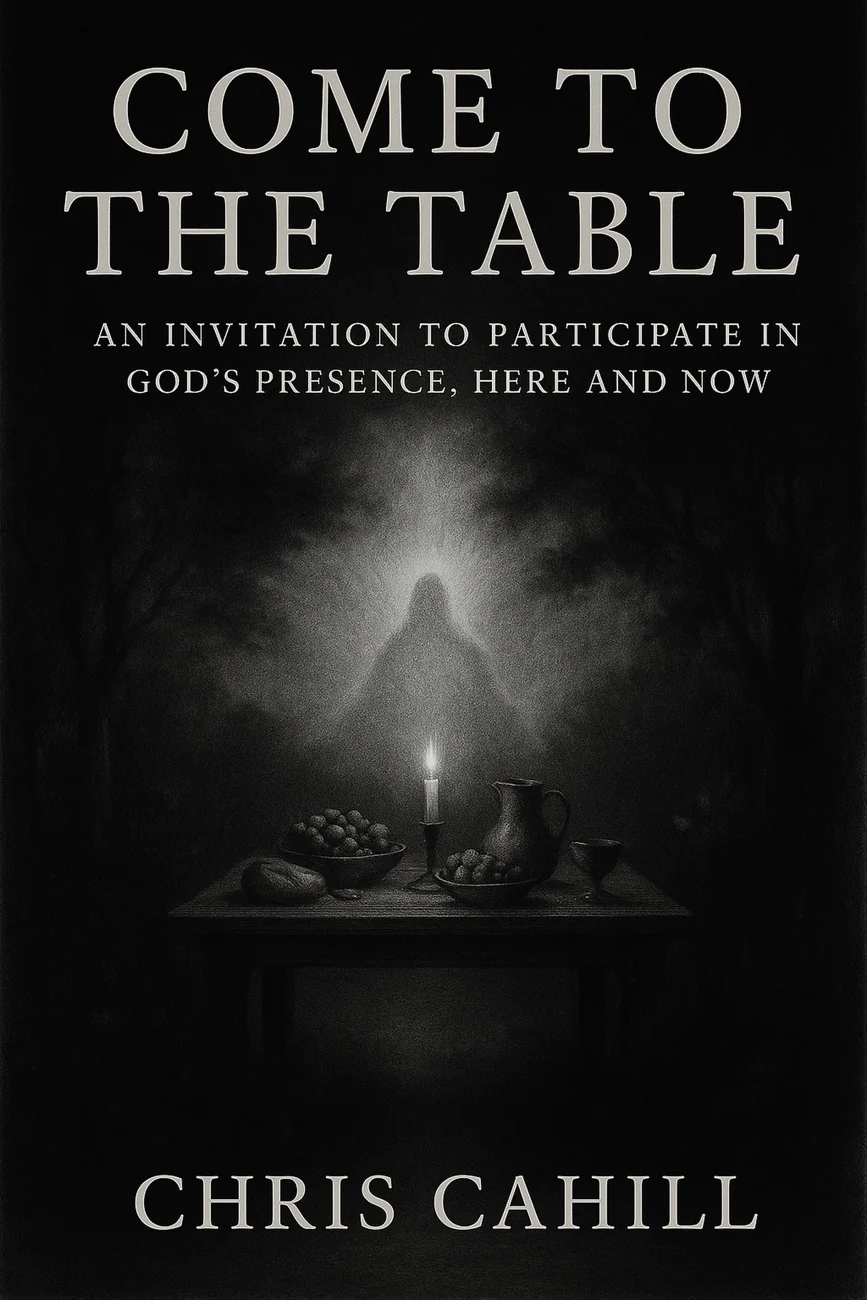
Come to the Table — Chapter 7: Emmaus — Eyes Opened in the Breaking of Bread. Adapted and expanded for this web reflection.
Wisdom · Unity · Grace