When Religion Needs to Be Examined
Listening to religious hurt can become an act of responsibility toward the community we love.
Chris Cahill · 2 min read · Reflection
Listen before defending the institution
Someone speaks painfully about church, and you remember all the good it has done. Both stories may matter deeply. Listening to the hurt does not require you to forget the meals, the friendship, or the prayers.
It does ask you to let the person finish. There may be something in their story that love needs to hear before anything is defended.
Love for a community includes accountability
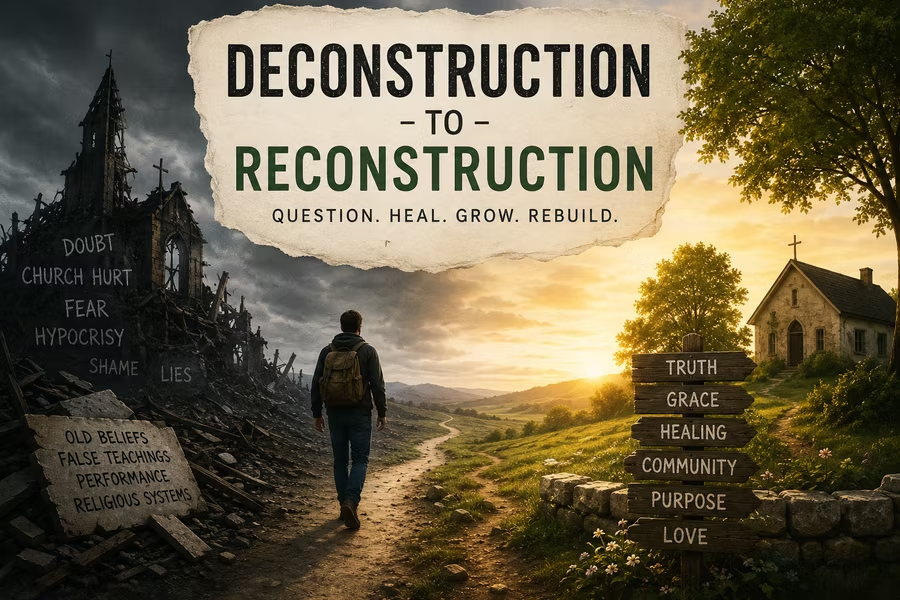
A church is capable of considerable good. It is also made of people whose motives and actions require examination. The presence of worship, doctrine, or charitable work does not make an institution incapable of harming someone.
Responsibility begins with specific questions. Who was affected? What actually happened? Who had authority? What process allows the concern to be examined fairly? A promise to pray is meaningful, but it should not replace an appropriate response to a concrete failure.
Critique has its own temptations
The person who challenges religious hypocrisy can become careless too. We may turn a whole community into a caricature or presume the motives of people we have never met. Anger can make our insight sharper in one moment and our judgment less fair in the next.
We can tell the truth without delighting in someone’s disgrace. Where harm has occurred, there may need to be firm boundaries, responsibility, and repair. Let care for the people involved remain present as we name what happened.
Let the question reach your own life
The critique of religion becomes more useful when it asks something of us. Where do our promises exceed our practice? Who experiences our welcome as conditional? What do we defend because changing it would cost us comfort or status?
We do not need a flawless institution before we can take one honest step. We do need the willingness to recognize when the institution's interests have displaced a person's dignity.
Stay near enough to hear what happened. Where repair is yours to offer, begin with humility; let care for the person remain visible as the conversation continues.
From the book
Imagine Reimagined — Preface and The Scandal of the Institutional Church. Adapted and expanded for this web reflection.
Wisdom · Unity · Grace