Faith and the Freedom to Ask
A conviction worth holding is worth examining. Can our communities protect the person asking the question while taking the question itself seriously?
By Pastor Chris Cahill · 2 minute read · Reflection
A sincere question may arrive in tears, frustration, or a tone we would rather it had not used. Before we appoint ourselves its bodyguard, ask what our faith needs from us here. We can examine a claim without putting the person on trial.
We can take our faith seriously and stay in the conversation. We can listen without treating every question as an enemy at the door.
Make the claim clear enough to examine
Start with a claim you actually hold. What does it mean? Why do you believe it? Which sources support it, and what objections deserve attention?
Clear words help us understand where we disagree. Vague words can make a room sound united while everyone means something different. Mystery deserves reverence; it should not become our hiding place when a clearer explanation is possible.
Notice the cost of the question
Watch what happens after someone asks. If the reward is ridicule or suspicion, the rest of us learn the lesson: stay quiet. That may produce a calm meeting, but it gives us little reason to trust the apparent agreement.
A teacher can disagree and still preserve dignity. “Here is why I understand the passage differently” offers something a person can examine. “You would agree if you were faithful” shifts attention from the argument to the person’s belonging.
Let inquiry include you
Now turn the questions toward ourselves. Where do we get defensive? Which quotation have we repeated without checking? Could we describe an opposing view fairly with its holder in the room? Openness that only inspects everybody else needs an inspection of its own.
The aim here is a teachable faith: one that can offer reasons, acknowledge limits, and remain accountable to the love it professes. We can bring our whole attention to God without pretending that our understanding is complete.
Take one belief you hold and explain your reasons plainly. Hear the strongest objection without questioning the person’s worth. We can bring conviction to the conversation and leave room for correction.
Read a little further
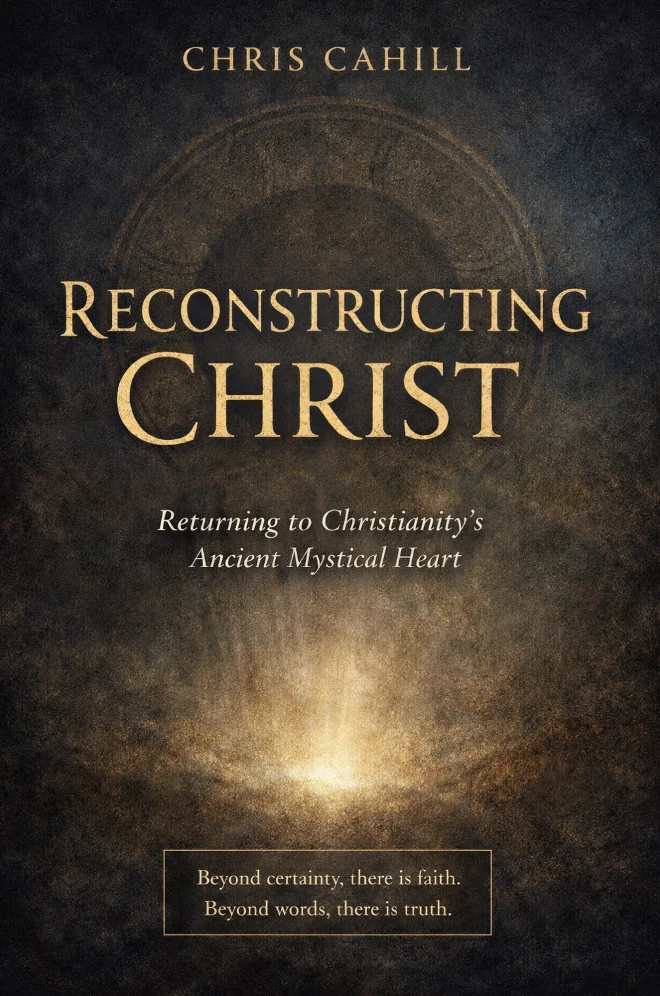
- Book context: Reconstructing Christ
- Acts 17:11 — read the passage in context
Related book: Reconstructing Christ
Faith, hope, and love in action through Christ and kindness.