The Didache: Ancient Faith You Can Put Into Practice
An ancient text brings worship, conduct, and community into the same conversation.
Chris Cahill · 2 min read · Reflection
An old Christian text can bring faith surprisingly close to everyday life. Beside its prayers are concerns about conduct, hospitality, and how a community treats the people who arrive at its door.
The Didache gives us such a window. We can read its words slowly, with gratitude for the voices before us and care for the lives beside us now.
Start with the text
The document opens with the image of two ways and instructions concerning conduct. Chapter 7 discusses baptism, including alternatives when preferred water is unavailable. Chapter 8 gives a pattern for prayer. Chapters 9–10 include thanksgiving prayers.
Chapters 11–12 address visiting teachers and hospitality; chapter 14 connects the gathering with reconciliation. These passages place practical life beside worship. The text should be read in full, including the passages that challenge us.
Receive an inheritance with care
The document’s title does not by itself establish authorship by the twelve apostles. Its instructions do not prove that every early Christian community practiced identically. We should avoid asking one source to settle the whole history of Christianity.
Some details will feel familiar. Others require historical context and thoughtful disagreement. The text also contains boundaries around participation. Ancient Christianity cannot be made into a convenient picture of limitless openness.
Ask what the practice reveals
What happens when worship and reconciliation are placed together? What does discernment ask of a community welcoming a religious teacher? What might our habits reveal that our statements of belief conceal?
These are reflective questions arising from the reading. They are not a claim that we can transplant every ancient instruction into contemporary life without interpretation.
Choose one chapter. Read it slowly, then compare its concerns with a relevant Gospel passage. Discuss both what attracts you and what troubles you. Ancient roots deserve the same intellectual honesty we ask of contemporary faith.
Receive what you read with care. Let the older voice draw you toward a living neighbor, a more patient welcome, and a faith practiced in love.
Read a little further
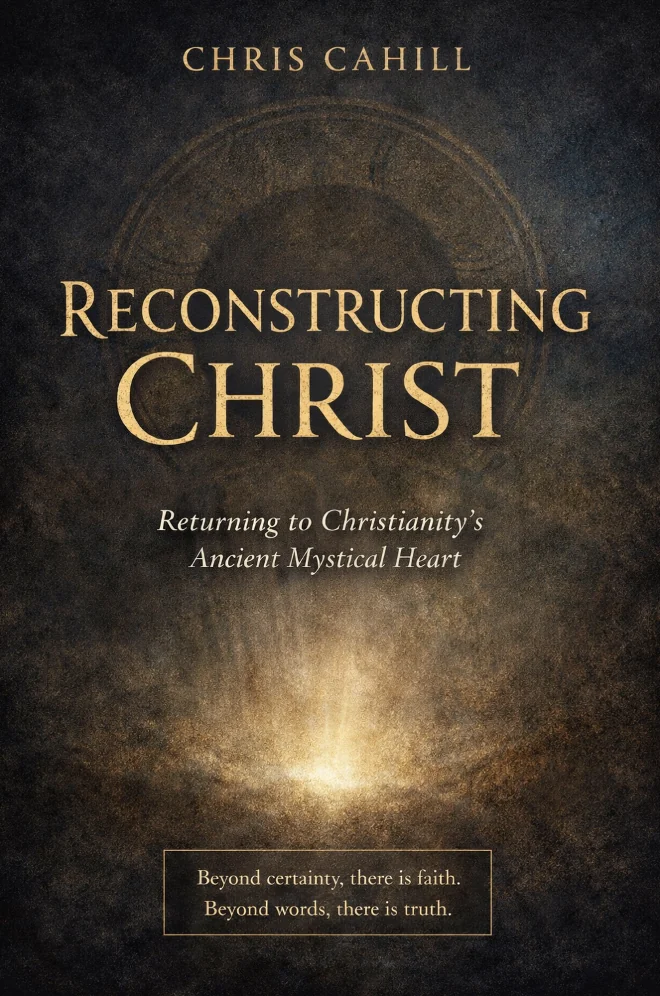
- Book context: Reconstructing Christ
- The Didache, chapters 1, 7–12, 14 (M. B. Riddle translation) ↗
Related book: Reconstructing Christ
Wisdom · Unity · Grace