Bridge Builder: Build a bridge, bring a friend, connect with us.
← All songs
ALTER / LISTEN & READ

Cracked

Press play and stay awhile. The lyrics and the heart of the song are right here with you.

About the song

After a psychotic break and time in a mental hospital, a voice begins rebuilding without pretending the shaking is over.

I SURVIVED THE EARTHQUAKE—
I’M BUILDING IN THE CRACK!

From Cracked

Let the song meet the person beneath the crisis—the one who is still here, still listening, and still learning how to rebuild.

Complete lyrics

I woke up wearing yesterday,
A stranger’s skin, a borrowed face.
Something followed me back from the deep end.
WHO CAME BACK?
WHO CAME BACK?

There’s a hole where the night should be,
Blackout blood in the memory.
Everybody knows what I said,
I hear the truth from the mouths of the dead.
Broken glass in the kitchen sink,
Three lost days in a single blink.
My phone is full of apologies
Signed by a hand that looks like me.
They say I’m better, say I’m clean—
But I still hear the machine.

They said, “You weren’t yourself.”
That was supposed to save me.
If that wasn’t me—
THEN WHO THE HELL
WAS I?

I SURVIVED THE EARTHQUAKE—
I’M BUILDING IN THE CRACK!
THEY CAN CALL ME BETTER—
I’M NEVER GOING BACK!
I CAME BACK BREATHING,
I CAME BACK FROM THE BLACK!
THE STATIC’S IN MY HEAD—
BUT IT DOESN’T GET TO DRIVE!

Everybody talks with careful eyes,
Like one wrong word could electrify.
They lower their voices when I walk in,
Like madness leaves a mark on the skin.
Every license plate screamed my name,
Every stranger played the same damn game.
For three straight days, I knew everything—
Then the whole world lost its shape.

NOW THE UNIVERSE IS QUIET!
AND THAT’S WORSE THAN THE NOISE!
WHEN I STOPPED LISTENING—
I THOUGHT GOD HAD LOST HIS VOICE!

I SURVIVED THE EARTHQUAKE—
I’M BUILDING IN THE CRACK!
THEY CAN CALL ME BETTER—
I’M NEVER GOING BACK!
I CAME BACK BREATHING,
I CAME BACK FROM THE BLACK!
THE STATIC’S IN MY HEAD—
BUT IT DOESN’T GET TO DRIVE!

MEDICINE!
TAKEN!
CAFFEINE!
BURNING!
THREE A.M.!
WIDE AWAKE!
CHECK YOUR HEAD!
STILL BREAKING!
I DON’T KNOW WHO I AM!

Was it chemical?
Was it spiritual?
Was it trauma?
Was it me?
Was I sick?
Was I honest?
Was I finally free?
Did I see too much?
Did I invent it all?
WHY DID REALITY FEEL SO SMALL?
I became the prosecutor,
The witness and the crime.
Every morning is a trial
With a sentence in my mind.
A quieter truth still calls my name.
I TURNED AWAY,
THEN BLAMED GOD FOR THE SILENCE.

I DON’T TRUST MY EYES!
I DON’T TRUST MY HEAD!
I DON’T TRUST THE VOICE
THAT TALKS TO ME IN BED!
I DON’T TRUST THE HIGH!
I DON’T TRUST THE LOW!
EVERY TIME I FEEL ALIVE—
I WONDER WHERE I’M ABOUT TO GO!

YOU WANT THE TRUTH?
TAKE IT!
YOU WANT THE BLAME?
NAME IT!
YOU WANT THE MAN
WHO WALKED OUT OF THE FIRE?
I’M STILL HERE!
I’M NOT CLEAN!
I’M NOT CURED!
I’M NOT THE SAME
AS THE MAN YOU WERE SURE—
WAS GONE!
I’VE GOT THE WEIGHT!
I’VE GOT THE SCARS!
I’VE GOT A WAR
IN THE BACK OF MY HEART!
NO MORE RUNNING!
NO MORE LIES!
I’LL DRAG THIS BODY
BACK INTO THE LIGHT!
BECAUSE I STOPPED LOOKING!

I SURVIVED THE EARTHQUAKE—
I’M BUILDING IN THE CRACK!
THEY CAN CALL ME BETTER—
I’M NEVER GOING BACK!
I CAME BACK BREATHING,
I CAME BACK FROM THE BLACK!
THE STATIC’S IN MY HEAD—
BUT IT DOESN’T GET TO DRIVE!

BREATHE!
STAND!
LISTEN!
THE STATIC’S STILL INSIDE ME—
BUT IT DOESN’T GET TO DRIVE!

The heart of the song

Getting through the crisis is not the whole story. In “Cracked,” the person who comes back is still trying to recognize the face in the mirror. There are missing days, apologies on a phone, and people speaking carefully around them. The danger may have passed, but the question remains: “WHO CAME BACK?”

The song tells the story of a psychotic break and a mental hospital experience. It stays close to what follows—the struggle to trust yourself, the weight of what others remember, and the longing to find your way back into a life you can inhabit.

The days everyone else remembers

“My phone is full of apologies / Signed by a hand that looks like me.” That image carries an intimate kind of disorientation. The narrator is meeting their own life through traces left behind, while other people seem to hold pieces of the story they cannot fully reach.

“You weren’t yourself” is offered as comfort. The singer hears another question inside it: if that was not me, who was it? The song does not hurry past the tenderness of that moment. It lets the person be frightened, angry, and still searching for words.

When the world seemed to know your name

The license plates, the strangers, and three days of knowing everything bring us inside the narrator’s recollection of the break. The song lets us hear how convincing that world felt before it lost its shape. It gives voice to the experience without asking us to accept those perceived messages as real.

The National Institute of Mental Health describes psychosis as involving disrupted thoughts and perceptions, with difficulty knowing what is real. It also describes more than one possible cause. That leaves the song’s “Was it chemical? / Was it spiritual?” as the questions this person is carrying, rather than an answer about why the crisis happened.

We can hear the spiritual struggle and still make room for professional care. The medicine in the breakdown is part of the story too. Faith does not need to be presented here as a replacement for treatment.

Elijah, the earthquake, and the quiet

“NOW THE UNIVERSE IS QUIET! / AND THAT’S WORSE THAN THE NOISE!” After the overwhelming certainty, quiet itself feels frightening. The narrator mistakes that change for God having lost his voice.

A Christian listener may hear an echo of 1 Kings 19. Elijah, exhausted and afraid, receives food, water, and rest before his journey continues. Later come wind, earthquake, fire, and a sound of sheer silence. The story can sit beside this song as a picture of care for a weary person and room to listen beyond the noise.

Elijah’s story is not a diagnosis of psychosis. Its companionship here is spiritual: bodily needs are attended to, and the overwhelmed person is not met only with an explanation. A meal, a steady presence, and practical help may be ways we offer care while someone receives treatment.

The courtroom inside the heart

“I became the prosecutor, / The witness and the crime.” Now the struggle has become a trial that begins again each morning. The narrator is carrying the fear of what happened and the burden of judging their whole self by it.

Romans 8:1 offers a Christian word about freedom from condemnation in Christ. Heard beside these lyrics, it may become an invitation to bring shame into prayer without making illness a verdict on someone’s worth. Responsibility for particular actions can be discussed with care; a person need not be reduced to their worst or most disoriented days.

“I TURNED AWAY, / THEN BLAMED GOD FOR THE SILENCE” belongs to the narrator’s searching heart. It does not tell us that turning away caused the psychotic break. Psalm 13 gives another voice to felt absence: someone speaks their distress directly to God, with the ache still present.

Building where the ground has opened

“I SURVIVED THE EARTHQUAKE— / I’M BUILDING IN THE CRACK!” The chorus is not claiming that everything has been repaired. The narrator later says, “I’M NOT CURED!” Survival and unfinished healing are allowed to stand together.

“The static’s in my head—but it doesn’t get to drive” can be heard as a declaration of hope and resolve. It need not become a demand that another person should simply control symptoms by trying harder. In this story, the noise is still present, and the person is still reaching toward a life beyond its command.

The final words are small enough to carry: “BREATHE! / STAND! / LISTEN!” Stay with that ending. Let the song bring us closer to the person who has come through a crisis and still needs time, treatment, and trustworthy companionship. May our faith make room for their whole story, our wisdom help us listen carefully, and our grace leave them less alone.

Where the song meets Scripture

Wisdom · Unity · Grace
← Back to the song library
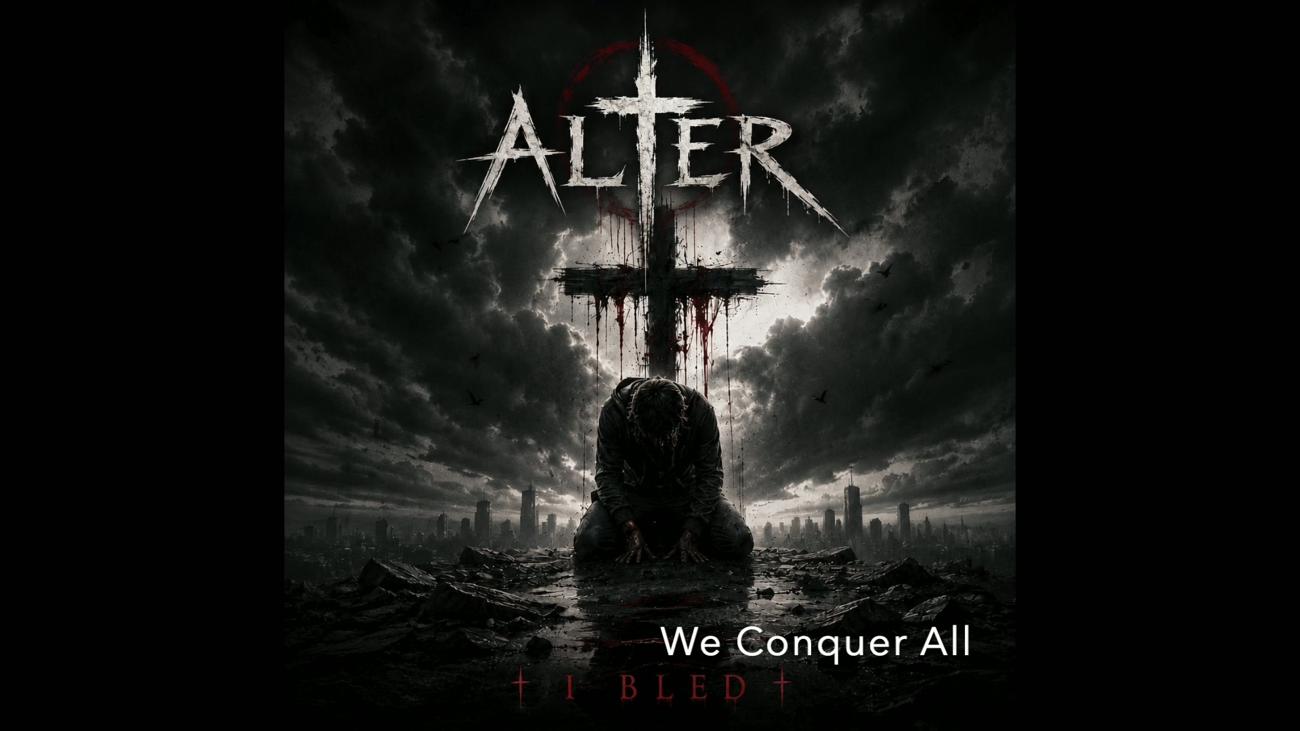
THE SOUNDTRACK OF THE STRUGGLE

We Conquer All.

Trembling hands. An empty grave.
A hope that moves us toward love.

Christian stories told with an honest voice. Let the music meet you first; explore the meaning when you’re ready.

Open the song to listen, read the lyrics, and explore the reflection together.

Read the complete lyrics →

Two books explain the heart.
Three help equip the work.

BridgeBuilder is more than a website. These books carry the deeper conversation into faith, community, stewardship, ministry and everyday witness.

The Shoestring Shepherd book cover
EQUIP · LOCAL MINISTRY

The Shoestring Shepherd

A practical small-church playbook for building purpose, community and ministry without needing a massive budget.

View on Amazon →
The Steward’s Code book cover
EQUIP · STEWARDSHIP

The Steward’s Code

A biblical framework for purposeful stewardship—using what we have with wisdom, intention and legacy in mind.

View on Amazon →
Everyday Evangelism book cover
EQUIP · WITNESS

Everyday Evangelism

Prepare, practice and pray—sharing faith through genuine conversation, attentive listening and ordinary moments.

View on Amazon →

All five featured books—and more →

WHY BRIDGEBUILDER?

Hard questions.
A generous table.

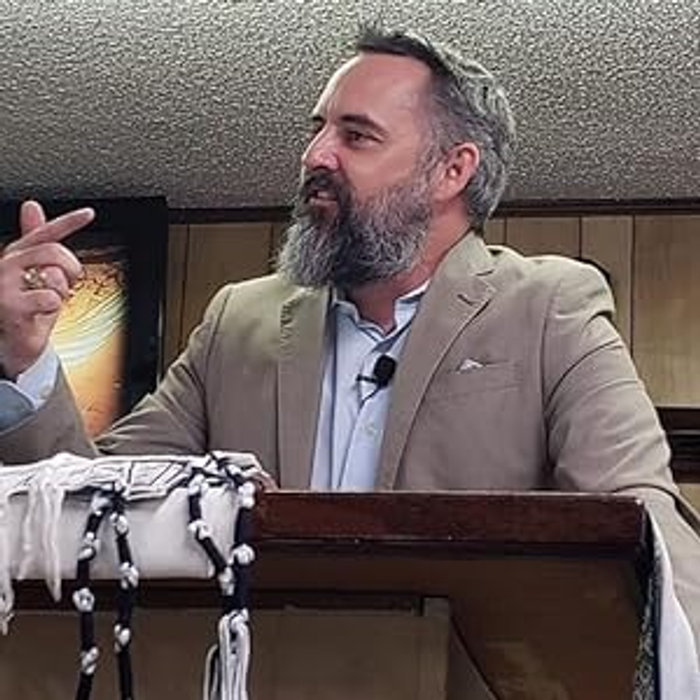
Chris Cahill preaching, from the original Bridge Builder Blog
CHRIS CAHILL / PASTOR · AUTHOR · MUSICIAN

I’m Chris Cahill—a pastor, counselor, author, musician, and fellow traveler who believes faith deserves our whole attention.

Bridge Builder Blog brings ancient Christian depth into conversation with contemporary life. We examine inherited beliefs, make room for contemplation, and ask how the love of Christ becomes visible in the way we live.

You can bring convictions and still listen. You can ask difficult questions and still seek God. Our invitation includes the courage to examine ourselves.

Meet Chris

Pass the mission along.

Faith, hope, and love in action through Christ and kindness.

Copy a link to share this story or mission. Nothing is sent on your behalf.